Hydraulic Decanter Centrifuge for Mining Operations A Complete Guide to Efficient Solid-Liquid Separation
Hydraulic Decanter Centrifuge for Mining Operations A Complete Guide to Efficient Solid-Liquid Separation

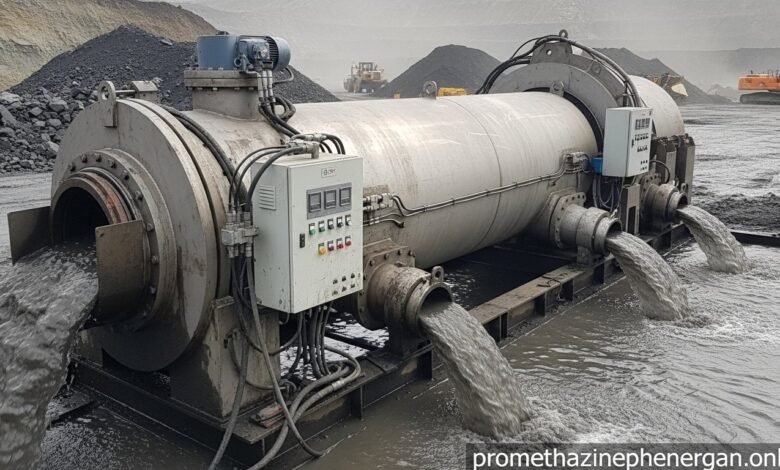
Mining operations generate massive volumes of slurry, tailings, and wastewater that must be treated efficiently. Poor separation can lead to higher costs, environmental risks, and reduced productivity. That’s where a hydraulic decanter centrifuge for mining operations becomes essential.
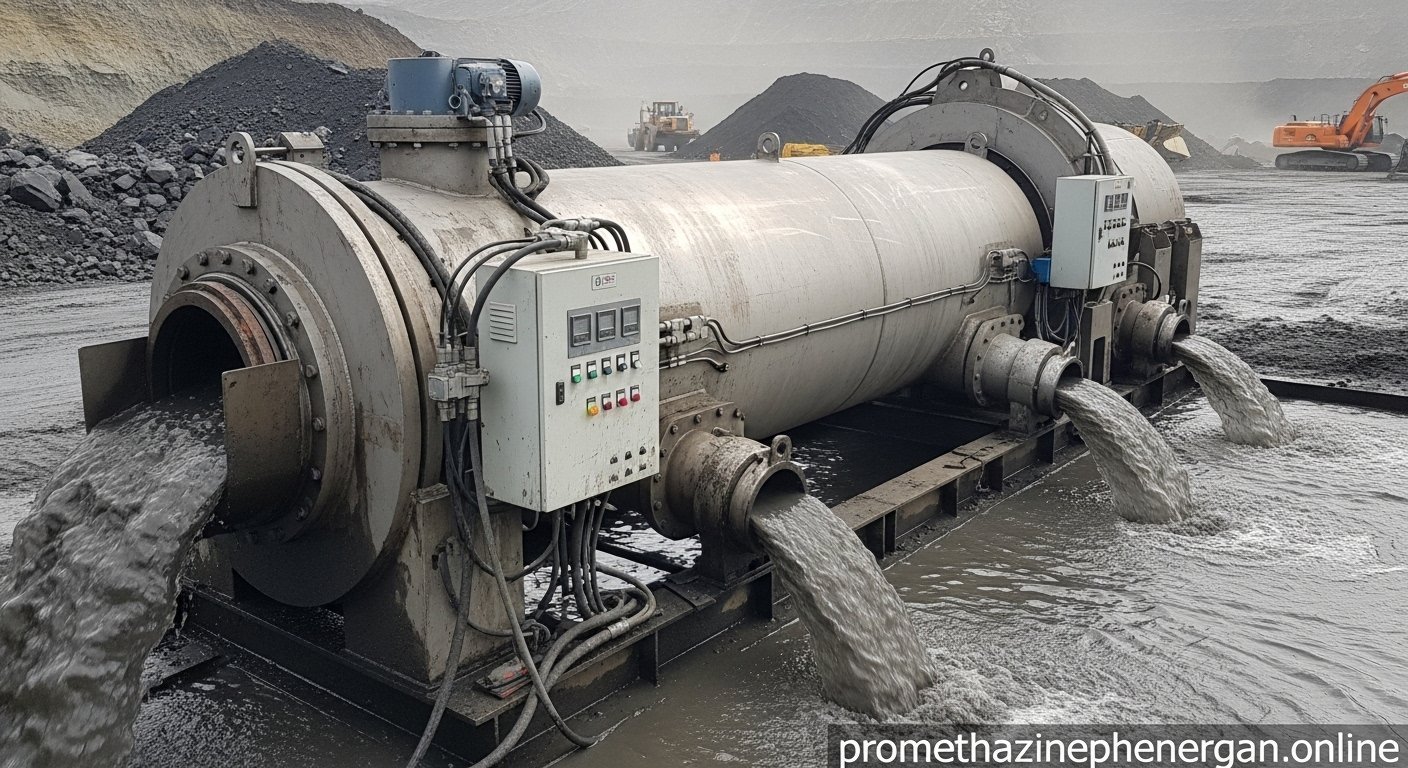
What Is a Hydraulic Decanter Centrifuge?
A hydraulic decanter centrifuge is an industrial machine designed to separate solids from liquids using centrifugal force. It is widely used in mining to process slurry and tailings efficiently.
How It Works
The system operates by spinning slurry at high speeds inside a rotating bowl. This creates strong centrifugal force, which separates materials based on density:
- Heavier solids move outward and form a layer
- Lighter liquids remain closer to the center
- A screw conveyor removes solids continuously
- Clarified liquid exits through a separate outlet
The hydraulic system controls torque and speed, ensuring stable operation even under heavy loads.
Why Mining Operations Need Decanter Centrifuges
Mining processes generate complex mixtures that traditional separation methods struggle to handle efficiently. Hydraulic decanter centrifuges offer several advantages:
1. Efficient Tailings Management
- Reduces water content in tailings
- Produces drier, more manageable waste
- Minimizes storage requirements
2. Water Recovery and Recycling
- Recovers process water for reuse
- Reduces freshwater consumption
- Supports sustainable mining practices
3. Cost Reduction
- Lowers waste handling costs
- Reduces chemical usage
- Minimizes downtime with continuous operation
4. Environmental Compliance
- Helps meet strict wastewater regulations
- Reduces risk of contamination
- Improves overall site sustainability
Key Applications in Mining
Hydraulic decanter centrifuges are used across different mining sectors:
Mineral Processing
Separates fine particles from slurry during ore processing, improving recovery rates.
Coal Washing
Removes water from coal slurry, producing cleaner and more energy-efficient fuel.
Tailings Dewatering
Reduces moisture content in tailings, making disposal safer and more cost-effective.
Wastewater Treatment
Clarifies process water before reuse or discharge.
Benefits of Using Hydraulic Decanter Centrifuges
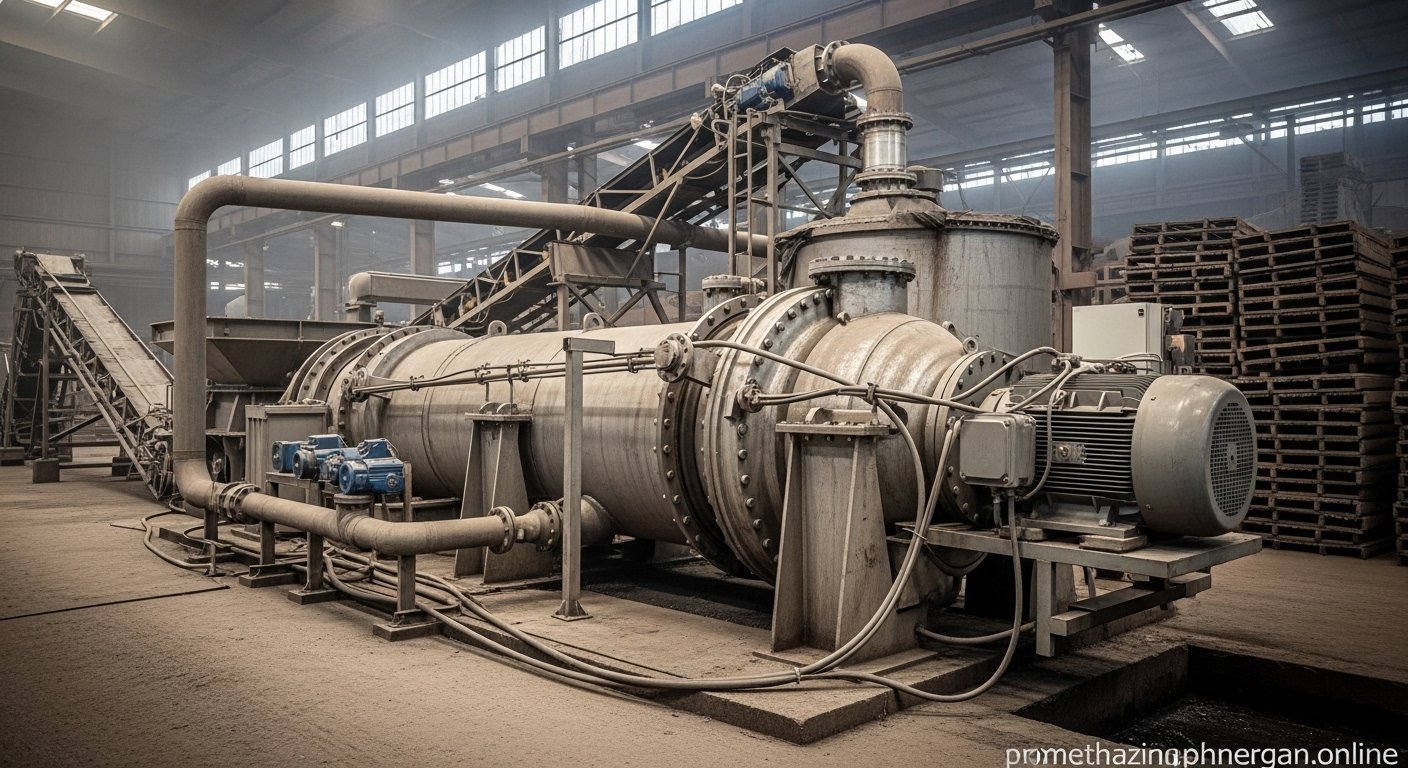
High Efficiency Separation
These machines handle large volumes while maintaining consistent performance.
Continuous Operation
Unlike batch systems, decanter centrifuges run continuously, increasing productivity.
Automation and Control
Modern systems include automated controls for:
- Speed adjustment
- Torque monitoring
- Feed rate optimization
Durability in Harsh Conditions
Mining environments are tough, but these centrifuges are built with wear-resistant materials to handle abrasive slurries.
Important Features to Consider
When choosing a hydraulic decanter centrifuge for mining operations, consider the following:
Bowl Design
- Larger bowls increase processing capacity
- Optimized geometry improves separation efficiency
Hydraulic Drive System
- Provides stable torque control
- Adapts to variable feed conditions
Wear Protection
- Tungsten carbide tiles
- Ceramic coatings
- Replaceable wear parts
Energy Efficiency
- Lower power consumption reduces operational costs
- Advanced designs improve energy usage
Best Practices for Using Decanter Centrifuges in Mining
To maximize performance and lifespan:
Optimize Feed Conditions
- Maintain consistent slurry concentration
- Avoid sudden fluctuations
Regular Maintenance
- Inspect wear parts frequently
- Replace damaged components early
Monitor Performance Metrics
- Torque levels
- Separation efficiency
- Throughput rate
Use Skilled Operators
Proper training ensures safe and efficient operation.
Comparing Decanter Centrifuges with Other Technologies
| Feature | Decanter Centrifuge | Filter Press | Thickener |
|---|---|---|---|
| Operation | Continuous | Batch | Continuous |
| Efficiency | High | Very High | Moderate |
| Maintenance | Moderate | High | Low |
| Water Recovery | High | Very High | Medium |
Decanter centrifuges offer the best balance between efficiency, automation, and continuous operation.
Future Trends in Mining Centrifuge Technology
The mining industry is evolving, and centrifuge technology is advancing rapidly:
Smart Automation
AI-driven systems optimize performance in real-time.
Energy Optimization
New designs reduce power consumption significantly.
Improved Materials
Advanced coatings increase durability and lifespan.
Eco-Friendly Solutions
Focus on reducing environmental impact and improving water reuse.
A hydraulic decanter centrifuge for mining operations is no longer optional—it’s a critical tool for efficiency, sustainability, and cost control.
By improving solid-liquid separation, reducing waste, and enabling water recovery, these machines help mining companies operate smarter and cleaner. Investing in the right system can lead to long-term savings and better environmental compliance.
If you’re planning to upgrade your mining process, consider integrating a decanter centrifuge and consult with experts to choose the best configuration for your needs.
FAQ
1. What is a hydraulic decanter centrifuge used for in mining?
It is used to separate solids from liquids in slurry, helping with tailings dewatering and wastewater treatment.
2. How does a decanter centrifuge improve mining efficiency?
It enables continuous operation, reduces waste volume, and recovers reusable water, lowering overall costs.
3. Is a decanter centrifuge better than a filter press?
It depends on the application. Decanter centrifuges are better for continuous processing, while filter presses may achieve drier solids.
4. What maintenance does a mining centrifuge require?
Regular inspection of wear parts, lubrication, and monitoring of performance metrics are essential.
5. Can decanter centrifuges handle abrasive mining materials?
Yes, they are designed with wear-resistant materials to handle harsh and abrasive conditions.
